

.jpg)
In mid-market B2B technology and services companies, your sales reps are carrying more than ever. They’re responsible for the entire sales stack:
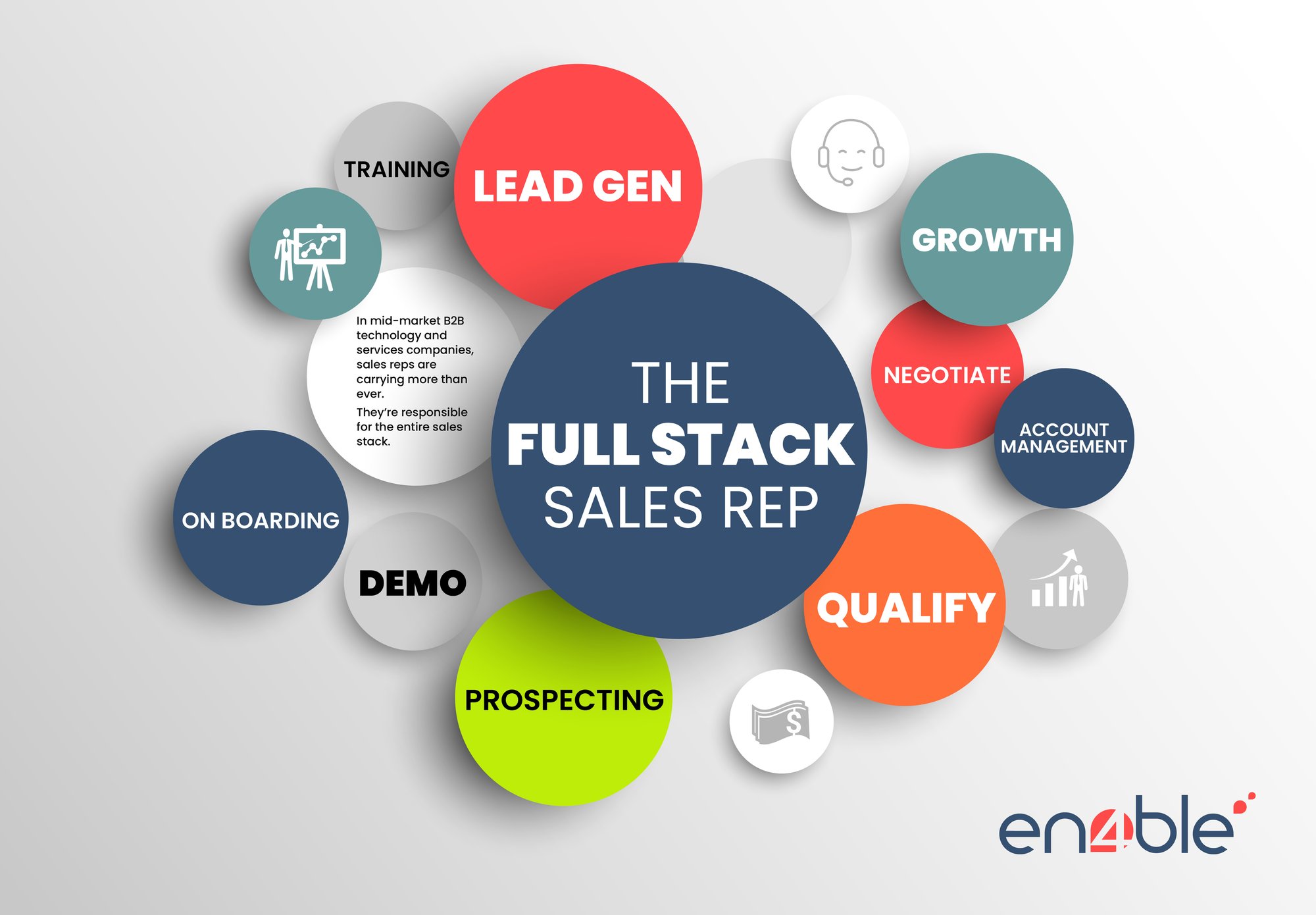
Prospecting → Lead Gen → Qualifying → Demoing→ Negotiating → Onboarding → Training →Account Management → Growth.
When reps are spread this thin, one thing often happens:
Reps gravitate to the part of the job that feels most comfortable, which almost never includes cold calling or proactive pipeline generation.
This is how teams start the year already behind.
A well-designed SKO is not a pep rally.
It is your strategic reset, the moment where everything aligns:
- Executives get their teams aligned to the real strategy, real targets, and what actually matters this year.
- Sales leaders get the structure, coaching framework, and operating rhythm needed to create repeatability.
- Reps get clarity, confidence, and a manageable way to execute across the full sales cycle without burning out.
When done well, your SKO becomes the moment that transforms chaos into cohesion.
A strong SKO gives your teams:
- A shared language
- A believable plan
- A reset of standards
- A path toward predictable revenue
If you want Q1 to be productive months, rather than recovery months, your SKO must do three things exceptionally well:
- Reset the narrative
What matters, what doesn’t, and why. - Rebuild the operating rhythm
Territories, quota logic, target lists, account expectations, and coaching structure. - Reignite your people
Reps who feel seen, supported, and set up to win don’t just perform better, they stay.
This is why we’re launching an 8-week SKO Planning Series. We’ve intentionally kept the holiday weeks light, so you can move through all eight steps without overwhelm and still be ready to run a strong SKO in the first two weeks of February. Ideal timing for Q1 execution.
Next Week: Set the Strategic Narrative
In Week 1, we establish the core narrative that will drive decisions, priorities, and execution next year. This is where leadership gets clear on what matters, what doesn’t, and how the team should approach the year ahead.
If this Introduction answers “Why does an SKO matter?”, Week 1 answers:
“What is the story and focus that will guide the entire go-to-market motion?”
Don't forget to share this post!
